

Bruno Redondo has spent the last decade building an impressive body of work in comics. From his early DC work on Human Target and Batman: Arkham Unhinged to his career-defining runs on Injustice and Nightwing, he’s developed a visual language that’s entirely his own — fluid, expressive, and packed with personality. Along the way, he’s picked up three Eisner Awards and won over countless fans.
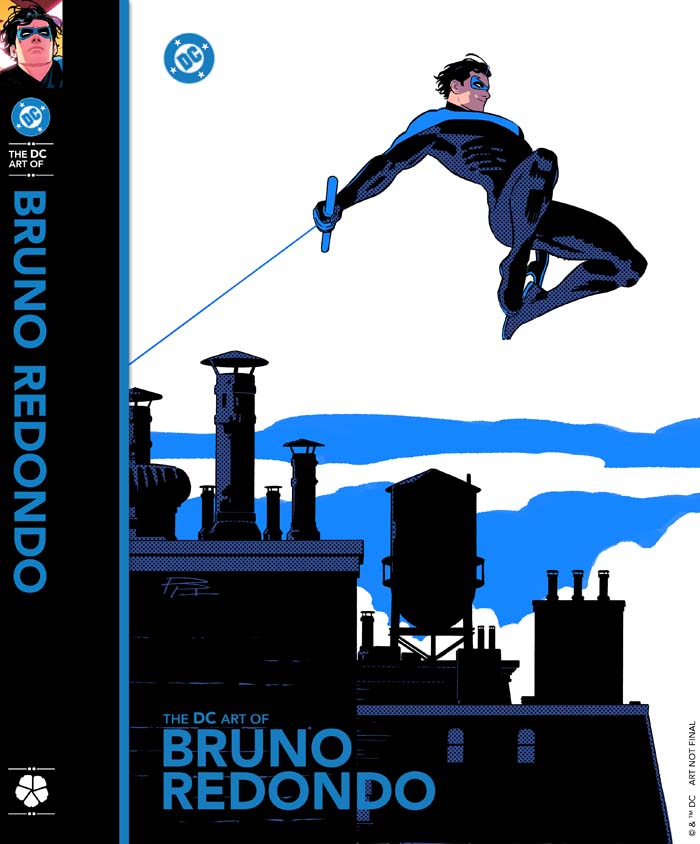
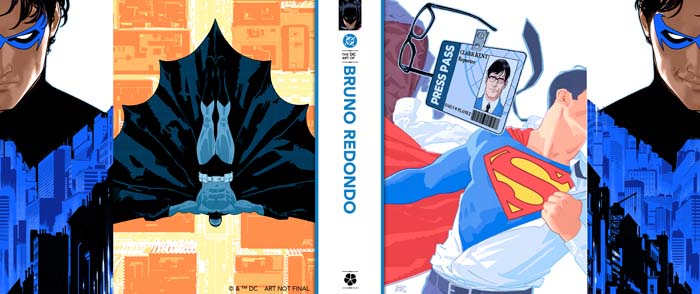
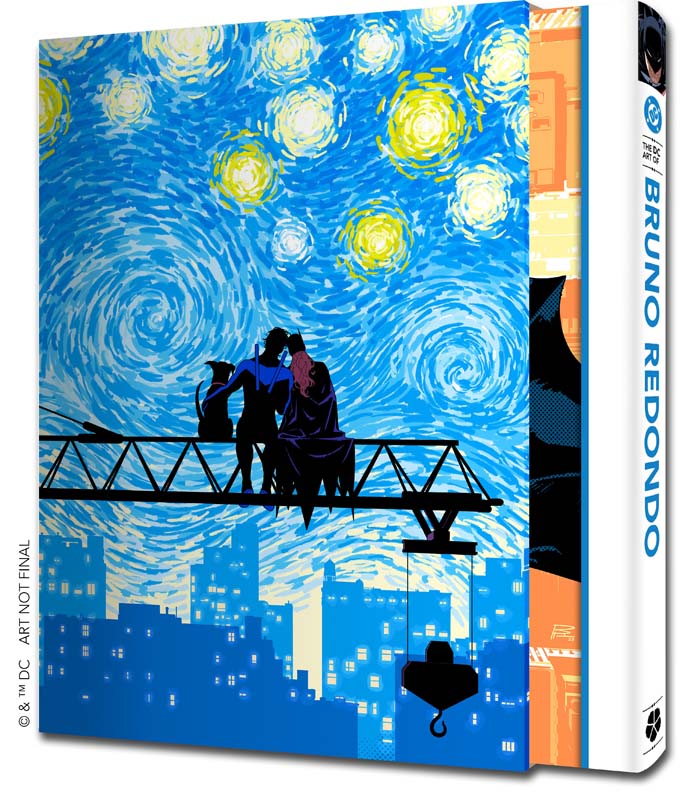
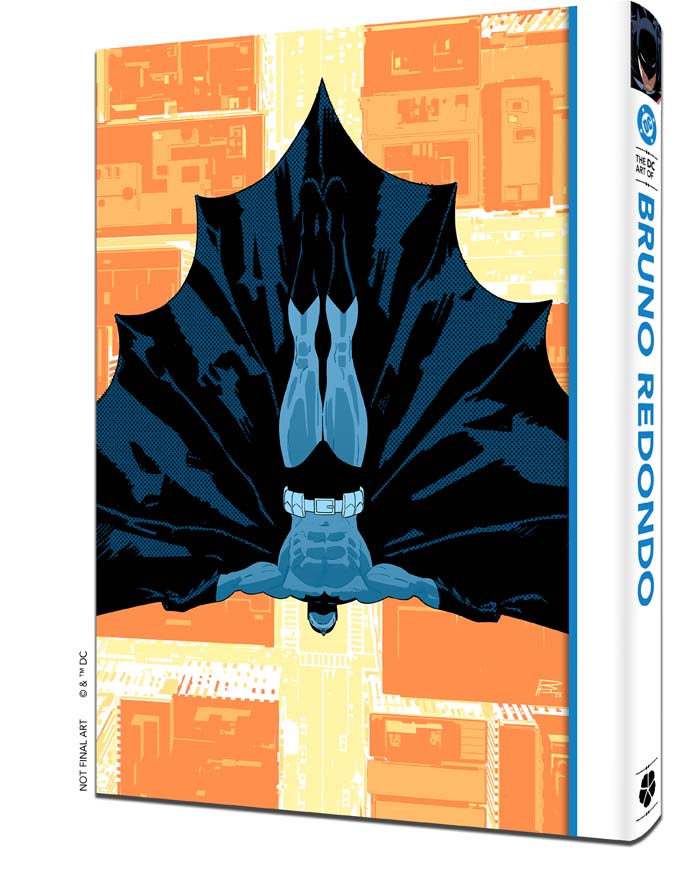
Now, Clover Press is giving his work a retrospective with The DC Art of Bruno Redondo, a 200+ page, 9″x12″ hardcover collecting his best DC work to date, with an introduction by his longtime collaborator Tom Taylor. The campaign is live now on Kickstarter, with edition options ranging from hardcover to signed slipcase, plus extras like a fold-out edition of the iconic Nightwing #87, rarely-seen sketches and commissions, a sticker pack and more.
I recently had the chance to talk with Bruno about how he fell in love with comics, what makes his creative partnership with Tom Taylor tick, what it means to look back at a career still very much in progress. and more. Here’s what he had to say.
I thought we could start with your origin story. When did you become a comic fan, and when did you decide you wanted a career drawing comics?
I learned to read comics, but it was when I was 12 years or so, reading Incredible Hulk by Peter David and Gary Frank, that I noticed how powerful, emotive, comedic & human superhero comic books could be. It was my “Yes, Father… I’ll become a bat” moment. I decided I wanted to do exactly that for a living.
As you entered the field, was there a certain style or feel you were going for with your artwork? How has that evolved over time?
It’s been different at different times… I worked in some Spanish comics before starting with DC. I wrote some of them myself and worked on a large range of comics for many different customers through an art agency & working as freelance, learning a lot and adapting myself to every ground… When I started in DC I had a lot of “spies” kind of gigs, then different superhero things mainly linked to videogames, and I was just trying to fit in, not offering a proposal myself… It was while working on Injustice 2 that I started to feel enough self-confidence to start taking more control and talking to editors who started to trust in me more in each new stage, which I always appreciated.
How do you approach a page layout? Do you think about it cinematically, or does it come from somewhere else?
Comic storytelling is something great and incredibly specific by itself, nothing to do with cinematic or novel storytelling. The only way to explore its full potential is to understand this, which I still try to do. Space & time & the reading control in comics is unique, so you can create a reading experience like you couldn’t approach in other media.
You and Tom Taylor have now worked together across multiple projects. How has that collaboration evolved?
I feel we fell in love with each other’s approach on comics instantly with our first gig together in DC Universe Online #16 (I think), where humor, drama & epic blended perfectly from the script, but mostly there were some really good dialogues & interactions that allowed me to play with acting like never before, so it clearly helped to launch my career. Then we have been braver in each new project to try special identities for each work, still fitting in DC’s parameters.
Looking back at your work to compile this book, was there a piece of art that surprised you? Maybe something you were fonder of than expected, or something you’d do differently now?
I’m quite self-conscious of my own work and evolution, so, more than surprising myself looking back, I face my own worse past-self — but hey, it’s always a progress. I hope I will always be able to notice my own evolution.
What do you hope readers take away from seeing your work collected this way?
I just know how much I love opening a full book focused on my favorite artists, like traveling through their evolution and seeing how their mind works. It’s an intimate experience, a visual joy… if I can give some of that to others, it’ll be an important life goal.
If this collection represents the “first era” of your career, how are you thinking about where you’re heading next?
I just hope to be alive and keep building a career enough to publish a second or third volume of this within every 10 years or so with Clover Press, hahaha… Don’t know where this is heading, but I mainly hope to keep moving from here to there instead of staying in the same place.