

Gender Queer by Maia Kobabe was the third most challenged book in libraries in 2025, according to the American Library Association.
The graphic novel, which was published by Oni Press in 2019, has appeared on the list for five of the last seven years. It topped the list in 2021-2023, and was the second most challenged book in 2024. An annotated edition is due out next month.
No other graphic novels were on the list for 2025, a year that saw the ALA track 4,235 unique title challenges, the second highest ever documented by the ALA. The highest ever documented was 4,240 in 2023.
And just like in previous years, the majority of these challenges aren’t being made by concerned parents — they’re being challenged as part of organized efforts.
“In 2025, book bans were not sparked by concerned parents, and they were not the result of local grassroots efforts,” said Sarah Lamdan, Executive Director of ALA’s Office for Intellectual Freedom. “They were part of a well-funded, politically-driven campaign to suppress the stories and lived experiences of LGBTQIA+ and BIPOC individuals and communities.”
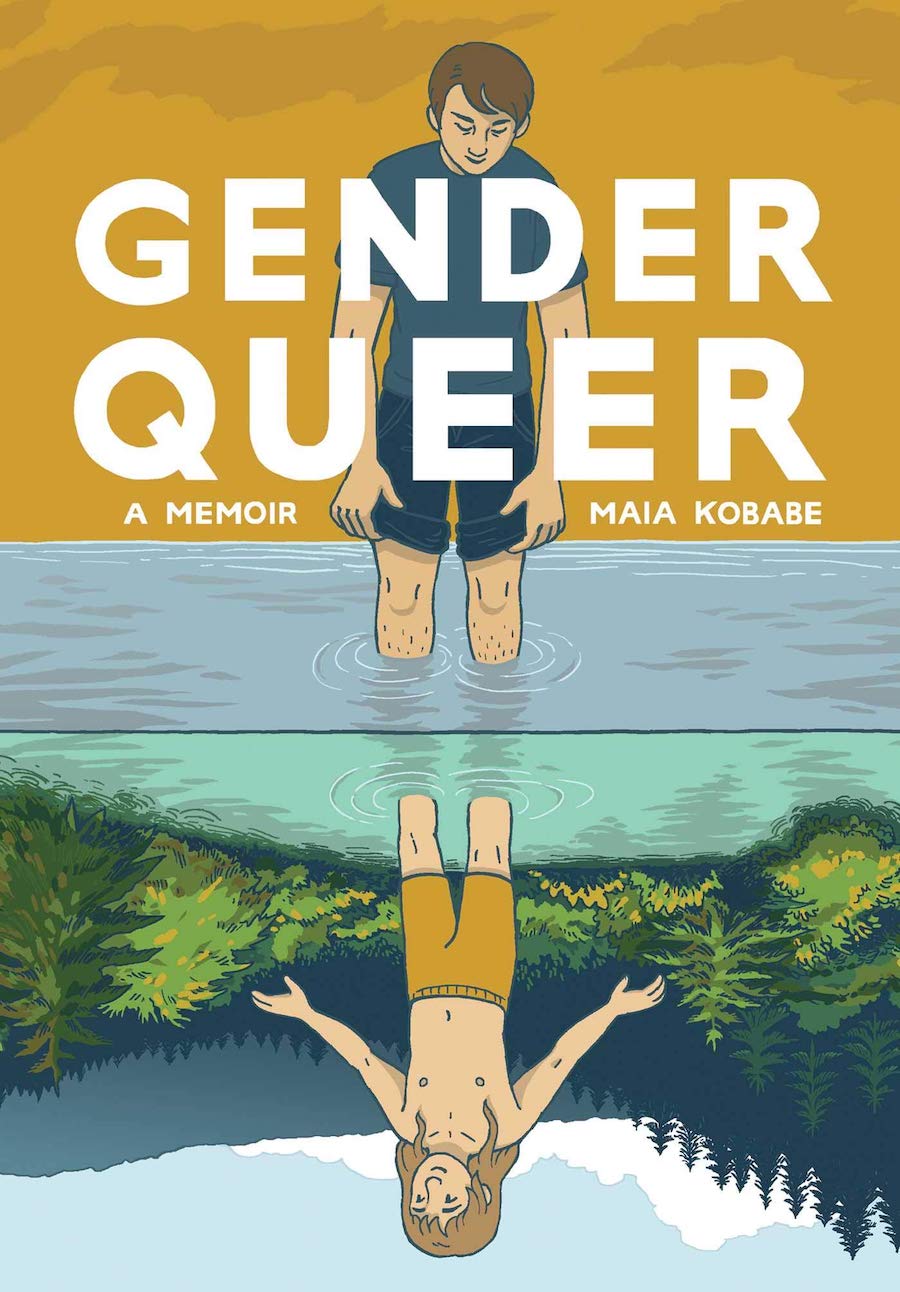
Per the ALA, 92% of all book challenges in 2025 were initiated by pressure groups, government officials and decision makers, up from 72% in 2024. Less than 3% of challenges originated from individual parents. To fight back, the ALA has added several new resources to their website, including a “book resume” section where you can download information on specific titles that you can use to fight back. Here’s the one for Gender Queer.
Here’s the full list of the most challenged books for 2025:
1. Sold by Patricia McCormick
2. The Perks of Being a Wallflower by Stephen Chbosky
3. Gender Queer: A Memoir by Maia Kobabe
4. Empire of Storms by Sarah J. Maas
5. (tie) Last Night at the Telegraph Club by Malinda Lo
5. (tie) Tricks by Ellen Hopkins
7. A Court of Thorns and Roses by Sarah J. Maas
8. (tie) A Clockwork Orange by Anthony Burgess
8. (tie) Identical by Ellen Hopkins
8. (tie) Looking for Alaska by John Green
8. (tie) Storm and Fury by Jennifer L. Armentrout
You can find more information on the ALA website.
One thought on “‘Gender Queer’ once again lands on the most challenged books list for 2025”